
How to Approach Businesses to Sponsor Your Minor Sports Team
Updated: Jun 4
Running a sports team takes more than talent and commitment, it also takes funding. Between tournament fees, travel costs, ice time, uniforms, and equipment, expenses can add up quickly. That’s why local business sponsorships can make such a big difference.

The good news is that many businesses are open to supporting community sports. The key is knowing where to look and how to approach them professionally.
Start by Looking at Who Already Sponsors Local Sports
One of the smartest ways to find potential sponsors is to look at other minor sports organizations in your area.
Visit local team websites in your city and see which businesses are already sponsoring teams, tournaments, or leagues. If a company is already investing in minor sports, they already understand the value of community exposure and are much more likely to consider another opportunity.
You can also walk through local sports facilities and arenas and pay attention to the advertising around you:
Rink boards
Stairway banners
Digital screens
Wall signage
Scoreboard ads
Businesses advertising in arenas are clearly trying to connect with local families and community sports audiences. Minor hockey, soccer, baseball, and basketball bring in hundreds of parents and spectators every week, which creates local visibility for sponsors.
Start With the Parents on Your Team
Before reaching out to local businesses, start with your own team!

Many parents may own businesses, work in management roles, or have connections to local companies. Often, these are the easiest and strongest sponsorship relationships because they already have a personal investment in the team.
Sometimes people are far more willing to help when there’s already a direct relationship.
Understand What Sponsors Actually Want
A common mistake teams make is focusing only on what they need financially. Instead, think about what the sponsor receives in return.
Businesses want:
Brand visibility
Community connection and recognition
Access to local families
Positive public exposure
Social media mentions
Customer loyalty
Remember, you are not looking for donations. Sponsorship can be a marketing investment for them.
Clearly Explain Your Team’s Assets
When approaching businesses, be specific about the opportunities available.
For example:
Logo placement on jerseys
Bench banners
Team website recognition
Social media shoutouts
Tournament sponsorship
Team apparel branding
Arena signage
Sponsor mentions at events
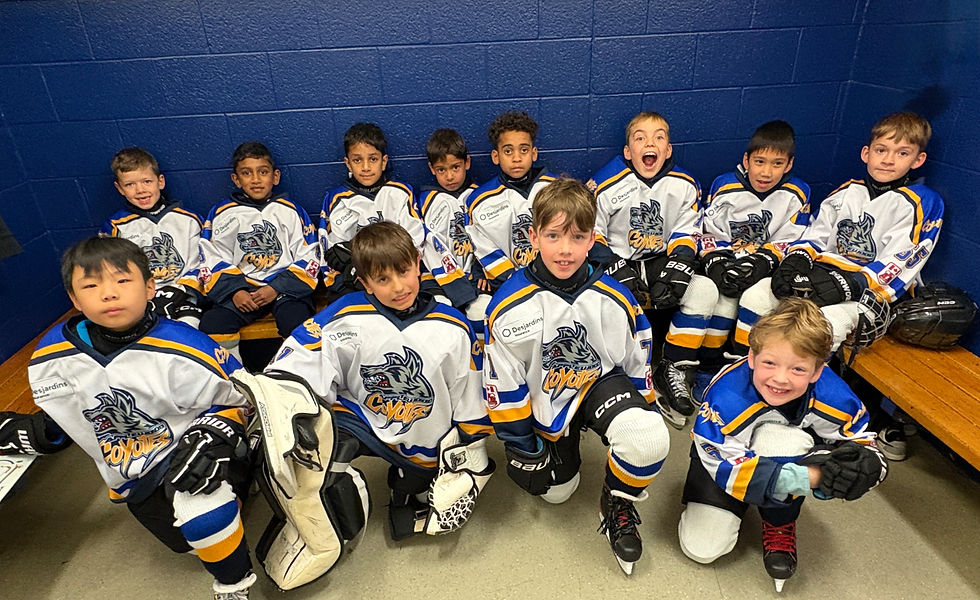
The more clearly you explain the exposure they’ll receive, the easier it becomes for businesses to justify supporting your team.
Use Simple Metrics to Show Value
Even at the minor sports level, audience numbers can be impressive.
If you are offering jersey branding, banners, or social media promotion, give sponsors a rough estimate of their exposure.
For example:
100 spectators per game
30 home games per season
Tournament attendance
Social media followers and engagement
Team travel to other communities
A simple estimate like:
“Our games may reach over 3,000 in-person spectators throughout the season”
helps businesses understand the value of the opportunity.
Make Sponsorship Personal
The strongest sponsorship relationships go beyond logos and advertisements.
Invite sponsors out to a game. Introduce them to the players and families. Make them feel like part of the team.
You can also recognize sponsors by:
Presenting a framed team photo
Giving them a team jersey
Providing a recognition plaque
Thanking them publicly on social media
Small gestures go a long way toward building long-term relationships.
Partner With Businesses Your Team Already Uses
One of the simplest sponsorship ideas is partnering with a local restaurant.
For example, your team could make a restaurant your “official team restaurant” and commit to hosting team meals there two or three times during the season.
This creates guaranteed business for the restaurant while giving your team a natural sponsor partnership.
The same idea can apply to:
Sports stores
Physiotherapy clinics
Gyms
Automotive shops
Hotels
Nutrition stores
Businesses appreciate partnerships that can generate real customers.
Keep Your Pitch Simple and Professional
Your first conversation doesn’t need to be complicated.
Introduce yourself, describe your team, and briefly outline the opportunity.
Something as simple as:
“We’re looking for community partners to help support our upcoming season while also promoting local businesses to our families and fans.”
It can open the door to a bigger conversation.
Confidence, professionalism, and enthusiasm matter far more than having a perfect sales pitch.
Final Thoughts
Local sports sponsorships are ultimately about community relationships.
Businesses want to support organizations that are organized, appreciative, and visible in the community. By targeting companies already involved in local sports, leveraging parent connections, and clearly explaining the value you offer, your team can dramatically improve its chances of finding sponsors.
The most successful teams don’t just ask for donations — they create partnerships that benefit everyone involved.
Need more assistance? Contact us sponsorships@kidspired.ca


